01 / 05
Soilless substrate cultivation
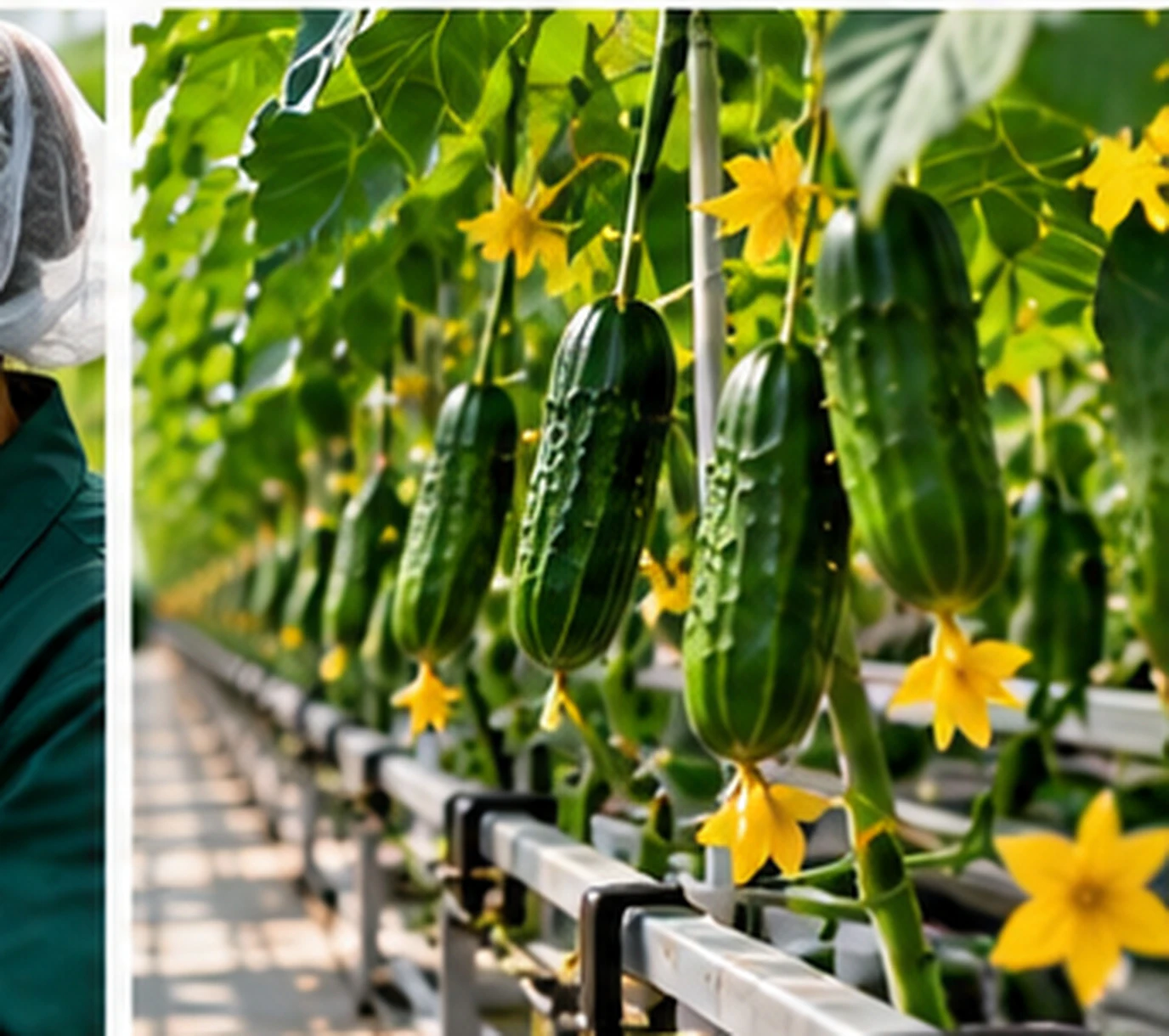
Plants grow in substrate suspended above the ground and have no contact with the soil. Crops no longer depend on the quality of local land, including the region's salinised soils.
Soilless cultivation, automated fertigation, closed-loop water recycling and central climate control make year-round growing possible in Kyzylorda's dry climate, with less water and less land.
Plants grow in substrate suspended above the ground and have no contact with the soil. Crops no longer depend on the quality of local land, including the region's salinised soils.
Drip irrigation feeds water and dissolved nutrients straight to the root zone. Doses are measured and controlled automatically, so plants get what they need and little is wasted.
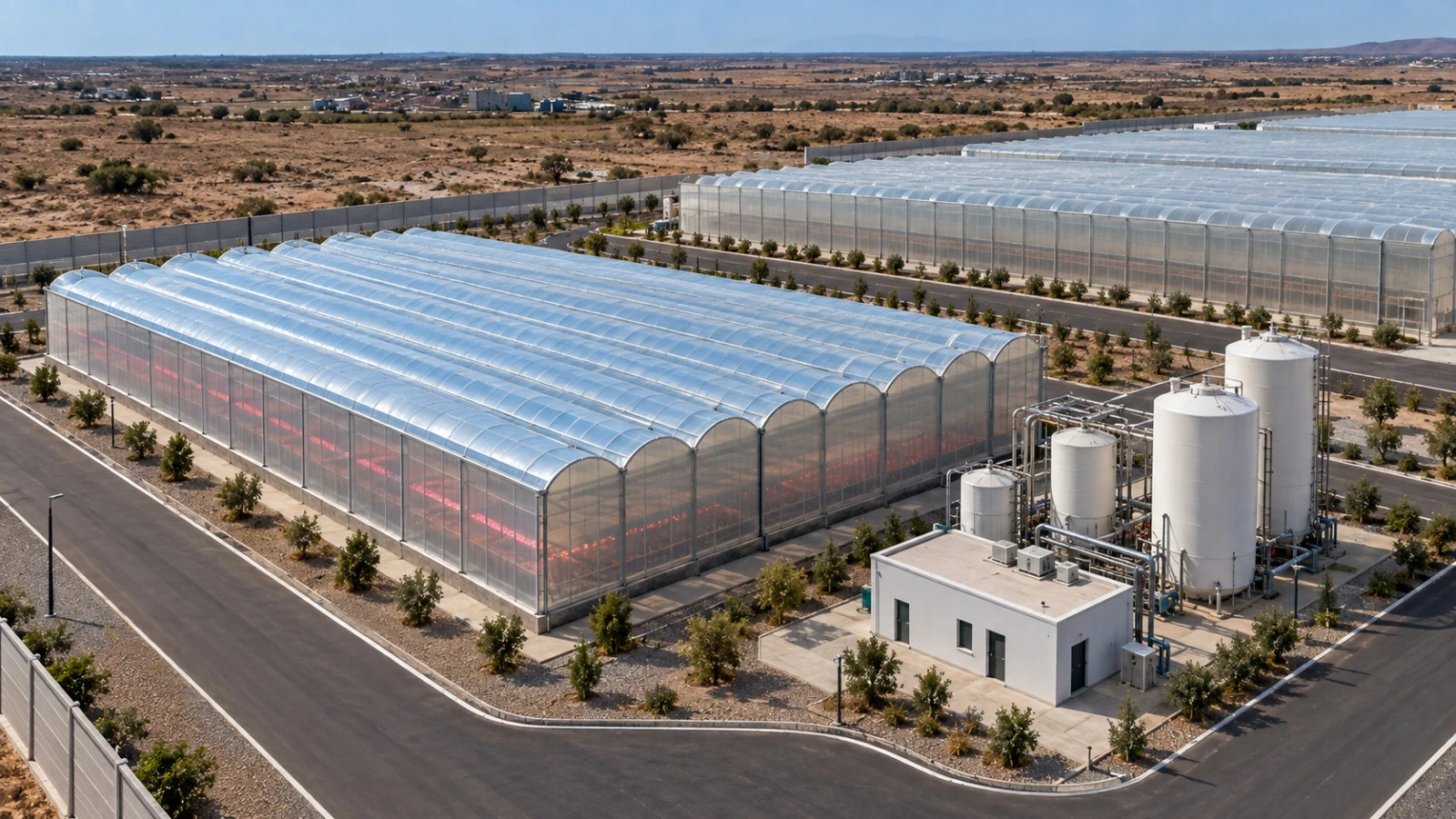
Drain water that the plants don't take up is collected rather than released. It is disinfected with UV light and fed back into fertigation, which cuts both water use and run-off.
See the water loopOne central, fully automated system manages the growing climate across the complex. Conditions inside stay stable through +35 °C summers and −11 °C winters.
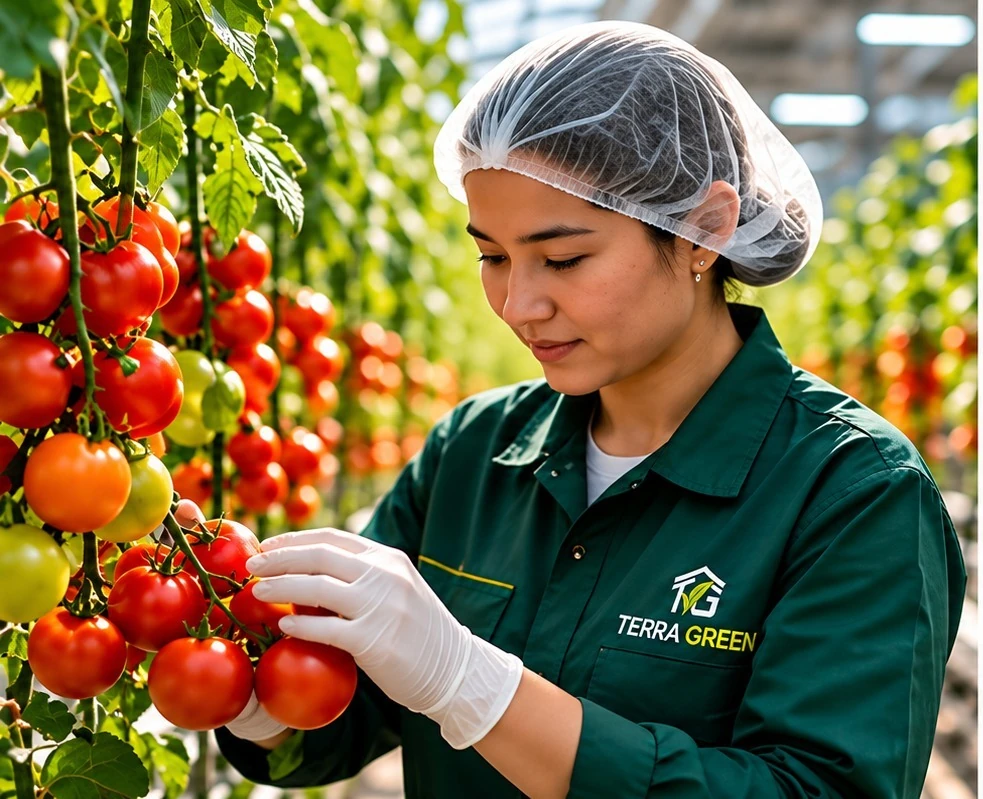
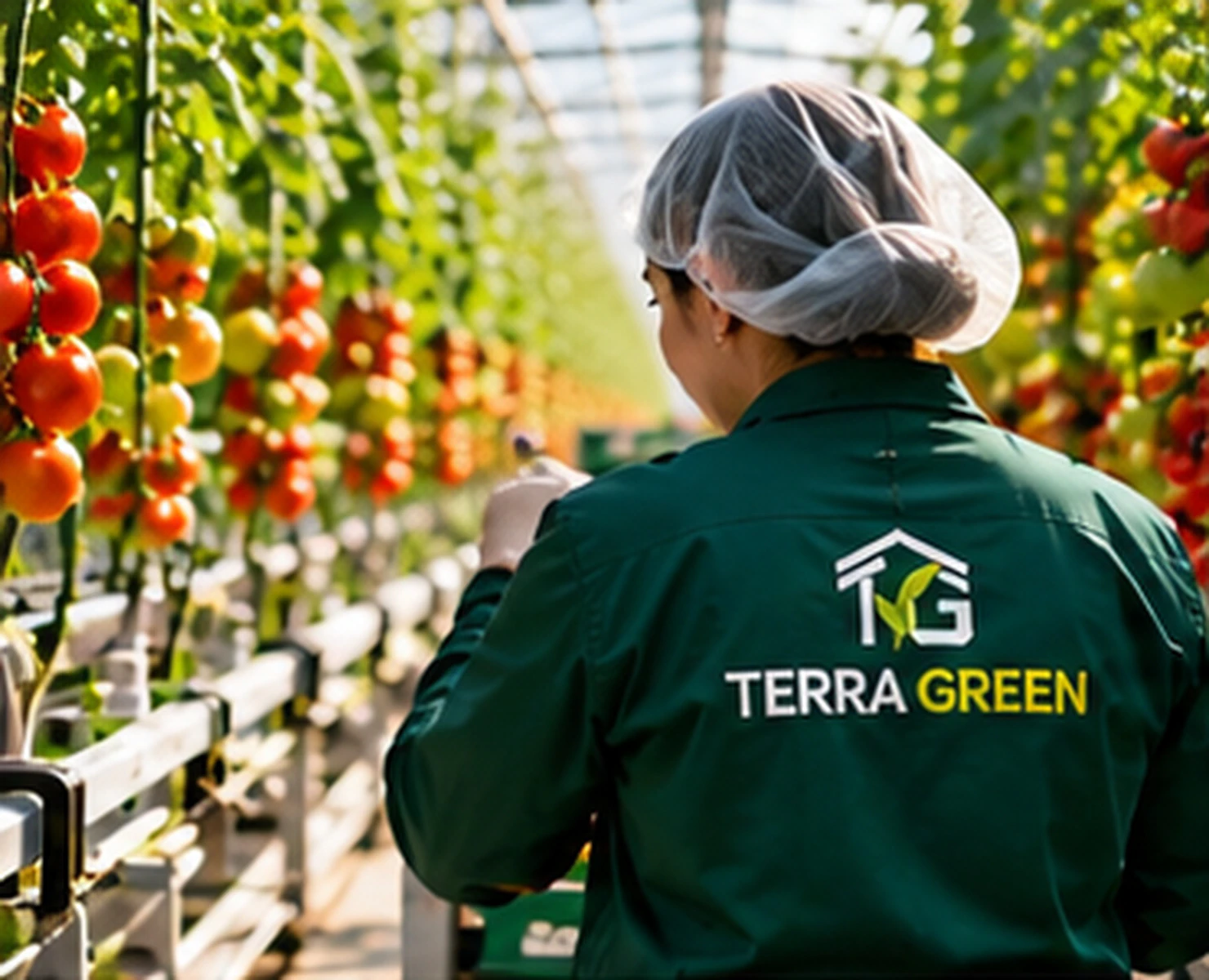
Clear hygiene rules in every greenhouse, low-residue growing and full traceability help keep every batch safe from greenhouse to shelf.
Source water is treated once, then circulates. Drain water is disinfected with UV and returned to fertigation instead of being discharged.
Closed-loop fertigation recycles drain water, so far less water is needed than with traditional irrigation.
Growing under glass needs less land and fewer production inputs than field cultivation.
A controlled environment supports growing with low residue levels.
Local supply all year shortens the trip from greenhouse to shop and replaces imports.
Soilless growing and a closed water loop add nothing to the salinisation of the region's land.
A qualitative comparison for the Kyzylorda region.
| Factor | Open field | Terra Green greenhouse |
|---|---|---|
| Water | Traditional irrigation with mineralised river water; losses and salt build-up in the soil | Drip fertigation in a closed loop; drain water UV-disinfected and reused |
| Season | Short, limited by summer heat and winter frost | Twelve months, in a controlled climate |
| Land | More land needed for the same harvest; depends on soil quality | Less land for the same harvest; soilless, so independent of soil quality |
| Residues | Crops exposed to weather and pests; inputs harder to control | Low-residue production with full traceability |
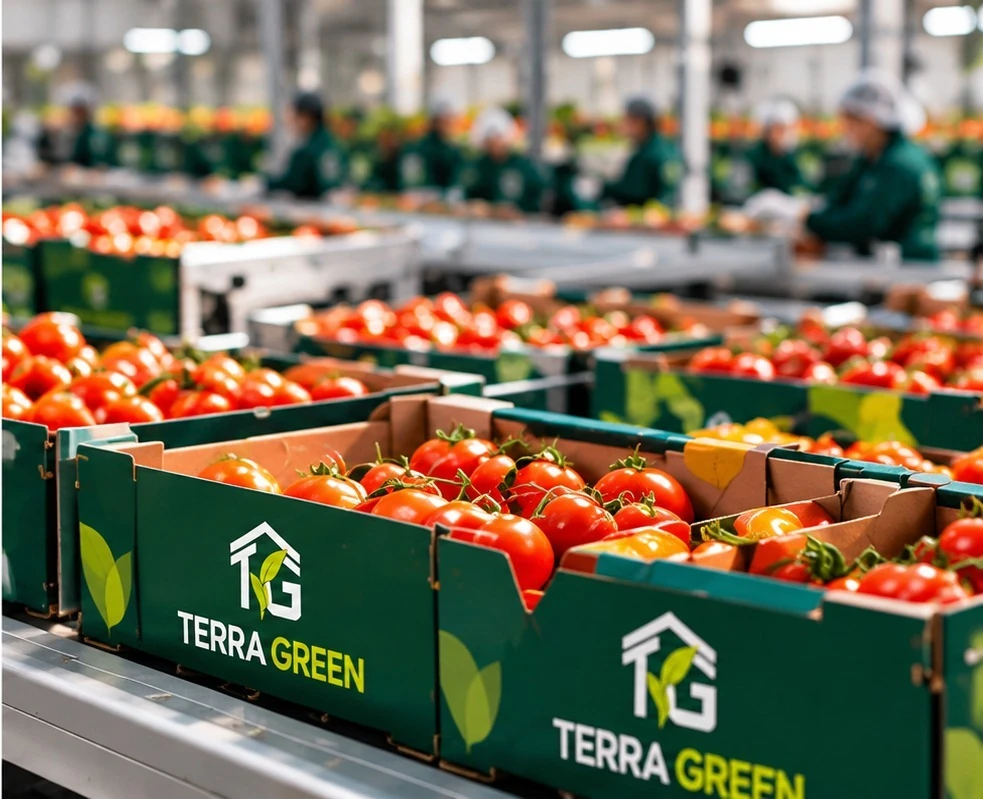
Year-round harvests, higher yields and full traceability, with a varied range that includes premium products. The final portfolio will be confirmed as production starts.